










“The Ultimate Guide to the Mother’s Necklace: Standing Before the Mother’s Jewel”
Ama Dablam Base Camp Trek
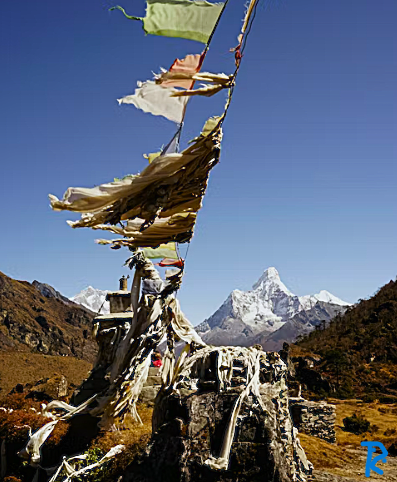
Ama Dablam Base Camp trek,If you have ever dreamt of standing in the shadow of the world’s most beautiful mountain, is your calling. While many travelers rush to Everest Base Camp, those in the know seek the quieter, deeply spiritual path that leads to the lap of Ama Dablam. Known as the “Mother’s Necklace,” this peak dominates the skyline with its soaring, ridge-heavy architecture and hanging glacier.
Trekkers often ask, is it worth it? The answer is a resounding yes. This journey is not just a walk; it is a pilgrimage through the heart of the Khumbu region. You will navigate moss-covered forests, cross suspension bridges that sway over roaring glacial rivers, and immerse yourself in the ancient Buddhist culture of the Sherpa people.
In this guide, we will walk you through every step of the journey. From the bustling streets of Kathmandu to the serene altitude of 4,600 meters, we provide you with a first-hand account, expert safety tips, and all the logistical details you need. Whether you are comparing Ama Dablam Base Camp vs Kanchenjunga or simply looking for the best short trek in the Everest region, you have found the right place.
The Legend and Geography of Ama Dablam
To understand this trek, one must first understand the mountain. Ama Dablam means “Mother’s Necklace.” The long ridges that drape down from the main summit resemble the arms of a mother protecting her child, while the hanging glacier is thought to be the traditional double-pendant containing pictures of the gods.
A Climber’s Mountain, A Trekker’s Paradise
For mountaineers, Ama Dablam is a prestigious prize. It is technically demanding and requires ice climbing skills. However, for trekkers, the Ama Dablam Base Camp offers a front-row seat to this alpine theater without the risks of technical climbing. Standing at 4,600 meters (15,092 feet), the base camp provides a unique vantage point.
You will see the Southwest Ridge, where climbers ascend. From the safety of the meadows, you can watch expeditions preparing their gear. This proximity to high-altitude mountaineering adds a layer of excitement that few other treks offer.
The Spiritual Depth
This region is steeped in Tibetan Buddhism. As you trek, you will pass Mani walls, chortens, and prayer flags. These are not just decorations; they are spiritual offerings. The locals believe that the wind carries the prayers printed on the flags to the heavens. Therefore, always pass these sacred sites on the left. This respect is part of the experiential depth of the journey, connecting you physically and spiritually to the landscape.
Why Trek to Ama Dablam Base Camp?
Unparalleled Views
The primary draw is, of course, the view. Unlike other viewpoints where you see a mountain in the distance, here you are in it. The massive Lhotse-Nuptse wall looms to the north, while Pumori sits further away. But Ama Dablam fills the horizon. It is close enough to see the crevasses in the ice.
A Less Crowded Alternative
The main trail to Everest Base Camp can be crowded, especially during the peak seasons. The route to Ama Dablam Base Camp diverges from the main trail at Pangboche. Consequently, you leave the crowds behind. You will find a sense of solitude and peace that is rare in the Khumbu.
Sherpa Culture and Hospitality
This trek allows you to live like a local. You will stay in teahouses run by Sherpa families. You will eat Dal Bhat, the staple national dish. Furthermore, you will witness the daily life of the high Himalayas. This cultural immersion is just as important as the scenery.
12 Days to Ama Dablam Base Camp
This itinerary is designed for acclimatization and enjoyment. It is roughly 12 days, including your arrival and departure in Nepal. We have built in rest days to ensure your body adapts to the thin air.
Day 1: Arrival in Kathmandu (1350m)
Your adventure begins in the chaotic and colorful Kathmandu valley. Upon arrival at Tribhuvan International Airport, you will be transferred to your hotel.
Narrative: The smell of incense and exhaust fumes mix in the air. It is a sensory overload. You might visit the historic Durbar Square or Swayambhunath (the Monkey Temple) to get a glimpse of the rich culture you are about to enter.
Practicality: Today is for gear checks. We will meet you to ensure your trekking boots fit well and your sleeping bag is rated for the cold.
Day 2: Flight to Lukla and Trek to Phakding (2600m)
We take an early morning flight to Lukla. The landing on the short runway is thrilling. After meeting our porters, we begin the descent towards Phakding.
The Trail: The path is straight and downhill initially, crossing suspension bridges over the Dudh Koshi River. You will see your first glimpses of Thamserku peak.
Experience: The sound of the river is constant. It is a gentle introduction to the trek, allowing your legs to warm up.
Day 3: Phakding to Namche Bazaar (3440m)
Today involves a significant ascent. We cross the Hillary Suspension Bridge and climb steeply towards Namche.
The Trail: The trail zig-zags upwards through pine forests. If the weather is clear, you will catch your first glimpse of Everest peeking over the Lhotse-Nuptse ridge.
Altitude Note: We climb from 2,600m to 3,440m. This is a big jump, so we take it slow. “Drink water, walk slow” is the mantra.
Day 4: Rest Day in Namche Bazaar (Acclimatization)
Rest does not mean sitting still. We hike up to the Everest View Hotel (3,880m) to see Everest and Ama Dablam from a distance, then return to Namche to sleep lower.
Cultural Insight: Namche is the trading hub of the Khumbu. You can visit the Sherpa Museum to learn about the history of mountaineering.
Why this matters: This “climb high, sleep low” technique is crucial for preventing Acute Mountain Sickness (AMS).
Day 5: Namche to Tyangboche (3860m)
We leave Namche and traverse the side of the hill. The views today are spectacular.
Narrative: The trail levels out, offering panoramic views of Ama Dablam. It seems to follow you. As we descend into the river valley and climb back up to Tyangboche, the spirituality of the region becomes palpable.
The Monastery: Tyangboche is famous for its gompa (monastery). It is the largest in the Khumbu. If you are lucky, you might hear the monks chanting in the evening.
Day 6: Tyangboche to Pangboche (3930m)
A short walk today brings us to Pangboche. This village is the highest permanent settlement in the valley.
The Trail: The path descends through a forest of rhododendrons and birches. In spring, these flowers are a riot of red and pink.
Experience: Pangboche has an old monastery that is said to contain the yeti scalp. It is a quieter village than Namche, offering a true sense of peace.
Day 7: Pangboche to Ama Dablam Base Camp (4600m) and Return to Pangboche
This is the highlight of the trip. We depart from lower Pangboche and descend to cross the Imja Khola.
The Ascent: The steep path has suffered badly from erosion in places, but the trail is well-defined. We pass yak meadows on the plateau of Cholungche. From here, the trail zigzags up to a prayer flag cluster—the Chorten col.
The View: Dingboche can be seen below the massive Lhotse-Nuptse wall. The trail turns briefly northeast before climbing past the disused Mingbo airstrip. Then, we see it. The base of the east ridge of Ama Dablam.
Destination: We reach Ama Dablam Base Camp. The view is simply awesome. You are surrounded by towering peaks. We have lunch here, soak in the atmosphere, and then head back down to Pangboche for the night.
Day 8: Pangboche to Phortse (3860m)
We take a different route back. We cross the river again and climb towards the village of Phortse.
Wildlife: Phortse is known for its musk deer and Himalayan Thar (a goat-antelope). Keep your eyes peeled.
The Trail: It is a steady climb but offers a different perspective of the valley. Phortse is a beautiful, traditional village with very few tourists.
Day 9: Phortse to Namche Bazaar (3440m)
We contour around the hills from Phortse back to Namche.
The View: This section offers excellent views of Khumbila, the sacred mountain of the Sherpas.
Terrain: The trail is mostly undulating, a nice relief after the steep climbs of previous days.
Day 10: Namche Bazaar to Lukla (2840m)
A long descent back to the river and up to Lukla. It is a day of celebration.
Narrative: You will feel a mix of exhaustion and exhilaration. We will have a farewell dinner with our guides and porters, thanking them for their hard work.
Day 11: Fly back to Kathmandu
Weather permitting, we catch the morning flight back to the capital.
Relaxation: Back in Kathmandu, you can enjoy a hot shower and a soft bed. It is a great time to buy souvenirs or explore the Thamel district.
Day 12: Departure from Kathmandu
Our journey ends. You will be transferred to the airport for your flight home.
Ama Dablam Base Camp vs. Kanchenjunga Base Camp
Trekkers often compare different base camps. While both offer incredible experiences, they are vastly different.
Accessibility and Logistics
Ama Dablam: Located in the Everest region, it is easily accessible via the Lukla flight. The infrastructure is well-developed, with comfortable teahouses at every stop. It is a great option for those with limited time (around 12 days).
Kanchenjunga: This trek requires a long drive to the eastern border of Nepal or a flight to Taplejung. It is remote and requires more days (usually 20-25 days). The infrastructure is basic, and camping is often required.
Scenery and Atmosphere
Ama Dablam: The scenery is dramatic and concentrated. You are surrounded by giant, jagged peaks. The atmosphere is spiritual, shaped by centuries of Tibetan Buddhism.
Kanchenjunga: The landscape is diverse, ranging from subtropical jungles to high alpine zones. It is wilder and less trodden. You feel like a true explorer here.
Cultural Experience
Ama Dablam: You are deep in Sherpa country. The culture is homogeneous, focused on Buddhism and mountaineering.
Kanchenjunga: The area is home to a mix of Sherpas, Limbus, and Rais. The culture is more varied and less influenced by the mass tourism of the Khumbu.
In summary: Choose Ama Dablam Base Camp for a comfortable, high-altitude experience with iconic mountain views. Choose Kanchenjunga if you want a wilderness expedition off the beaten path.
Weather and Best Time to Visit
The weather in the Himalayas is unpredictable. However, there are two main trekking seasons.
Spring (March to May)
Temperature: Moderate. Days are warm (10°C to 15°C), nights are cold (-5°C to 0°C).
Highlights: The rhododendrons are in full bloom, painting the hills red and pink. The skies are generally clear in the morning. This is a popular time for climbing expeditions, so Base Camp might be busy.
Autumn (September to November)
Temperature: Cool and dry. Days are crisp (10°C to 12°C), nights are very cold (-10°C to -5°C).
Highlights: This is the best season for visibility. The skies are usually crystal clear after the monsoon rains. The mountains look their sharpest. This is the peak trekking season.
Winter (December to February)
Conditions: Very cold. Nights can drop to -20°C. The high passes may be blocked by snow.
Experience: The trails are empty. It is a peaceful time to trek, but you must be prepared for extreme cold. The days are often sunny.
Monsoon (June to August)
Conditions: Wet, cloudy, and humid. Leeches are a problem in the lower forests.
Experience: Not recommended for this trek. The views of the mountains are obscured by clouds. However, the landscape is lush and green.
Packing List: Gear for Ama Dablam Base Camp
Packing correctly is vital for your comfort and safety. The weather can change rapidly.
Essential Clothing
Trekking Boots: Waterproof and broken in. This is the most important item. You will be walking on small rocks, pebbles, and man-made stone steps.
Socks: Pairs of thin walking socks to wear inside your boots. Bring enough to change daily.
Base Layers: Set lightweight thermals (top and bottom) for sleeping and cold days.
Mid Layers: Fleece jacket or pullover. This provides insulation.
Outer Layers: Lightweight wind-waterproof pants and a jacket. A North Face down jacket is preferable for the evenings.
Headwear: A warm hat and a sun hat. A neck warmer is also very useful.
Gloves: Pairs of thinners’ gloves for wind protection.
Equipment and Gear
Rucksack: A comfortable backpack (40-50L) with a rain cover.
Sleeping Bag: Rated for -15°C. Nights at Base Camp and even in Namche can be freezing.
Head Torch: Essential for navigating teahouses at night and early morning starts.
Sunglasses: Category 4 protection to protect against UV radiation reflecting off the snow.
Water Filtration: Iodine or a water filter. Alternatively, you can buy boiled water in hotels/lodges, which is safe to drink.
Sunscreen: High SPF to protect your skin at high altitude.
Toiletries: Small thin towel (sports towel best), soap, and shampoo.
First Aid: Bandage for sprains, plasters, antiseptic ointment, and oral rehydration salts.
Extras
Camera: With spare films or batteries. Cold drains batteries faster.
Tissues: Pack tissues as toilet paper is not always available in toilets.
Liner: A cotton or silk sleeping bag liner for extra warmth and hygiene.
Renting vs. Buying: If you do not have clothing, you can either buy or rent it in Kathmandu. In this case, equipment is generally cheaper than in your home country. We can help you find the best gear shops in Thamel.
Altitude Sickness: A Realistic Approach
Altitude sickness is a serious concern on any trek above 3,500 meters. The thinner air affects you in many ways, and if you go high too fast, there is a high chance of getting affected.
Symptoms and Prevention
Symptoms include headache, nausea, dizziness, and shortness of breath. To prevent this, our itinerary is designed with gradual ascent.
Hydrate: Drink at least 3-4 liters of water a day.
Pace: Walk slowly. There is no rush. “Pole pole” (slowly slowly) is a good rule of thumb.
Medication: Diamox (Acetazolamide) helps the body acclimatize faster. You can buy this in
Kathmandu. Please consult your doctor before taking it.
Our Safety Protocols
We have been operating in these mountains for years. Our guides are trained to recognize the early signs of AMS. We carry a first aid kit with oxygen for emergencies. Furthermore, we have a robust safety policy. If a trekker shows severe symptoms, we will descend immediately. Your safety is our priority.
Cultural Insights and Food on the Trail
Dal Bhat: The Fuel of the Trek
You will often hear the phrase “Dal Bhat power, 24 hour power.” We Nepalese eat a meal of Dhal Bhat (rice with lentil soup, curry, and pickles) twice daily. The ingredients vary according to local and seasonal availability. Vegetarian options are the norm. It is nutritious, filling, and provides the energy needed for the climb.
Experience: Eating Nepali-style will provide you with a truly local experience. It guarantees fresh ingredients everywhere and rules out disappointments.
Another popular local dish is the ubiquitous instant noodle soup.
It is enhanced by local vegetables, meat, or egg, depending on availability. It is cheap, hot, and quick—perfect for a late lunch.
Dining Etiquette
In all lodges, tourists will be served their meals in the lodge dining room. The Nepali staff get their meals in the kitchen or another place where guides and porters relax. And staff members’ quarters are separate from the tourist rooms.
Understanding: This seemingly two-class system may be a difficult concept for some tourists. However, it can also be seen as “time off” for the staff members. Nepalese eat mostly with their hands, a custom that is considered offensive by some tourists. Therefore, the staff members may actually prefer to eat separately for their own comfort and cultural practice.
Insurance and Responsible Trekking
Insurance for Guides and Porters
We care deeply about our team. We do our trekking insurance for the duration of the trek from a reputed insurance company in Kathmandu, Nepal. On the other hand, we (Hike Nepal) are a member of TAAN (Trekking Agent Association of Nepal). TAAN takes full responsibility for the staff of its members while we are on the trek.
Recommendation: You are highly recommended to be insured for this trek from your country. Ensure your policy covers helicopter evacuation up to 6,000 meters.
Sustainability
The Everest region is a fragile environment. We practice “Leave No Trace” principles. We ask all trekkers to carry their trash back to designated disposal points. Furthermore, we support local communities by staying in locally owned lodges.
Why Trek With Us?
When you choose to trek with Hike Nepal, you are choosing experience and reliability.
Local Expertise: We are from this region. We know the trails, the teahouses, and the people personally.
Safety First: Our safety record is impeccable. We are prepared for emergencies and have direct contact with rescue services.
Fair Treatment: We ensure our guides and porters are well-paid, insured, and equipped with proper gear.
Transparency: There are no hidden costs. We provide clear information on what is included and what is not.
Frequently Asked Questions (FAQ)
Q1: How difficult is the Ama Dablam Base Camp trek?
A: The trek is considered moderate. You do not need technical climbing skills, but you do need a good level of fitness. You will be walking for 5-7 hours a day on hilly terrain.
Q2: Do I need a permit for Ama Dablam Base Camp?
A: Yes, you need the Sagarmatha National Park Entry Permit and the Khumbu Pasang Lhamu Rural Municipality Permit. Your guide will arrange these for you.
Q3: Is it safe to drink the water?
A: Tap water is not safe. You should drink purified water. You can use iodine tablets, a filter, or buy boiled water in the lodges.
Q4: Can I charge my electronics on the trek?
A: Yes, most teahouses have charging facilities for a small fee. Solar power is common, but availability can vary. Bring a power bank.
Q5: What happens if I get altitude sickness?
A: If symptoms are mild, we rest and hydrate. If symptoms are severe, we descend immediately. Our guides are trained to handle AMS.
Q6: Are there toilets on the trail?
A: Teahouses have basic squat toilets. In more remote areas, you may need to use nature. Carry your own toilet paper.
Q7: How much money should I bring?
A: You will need money for meals not included in the package, hot showers, charging devices, and drinks. USD 20-25 per day is generally sufficient.
Q8: Can I trek solo?
A: While possible, it is highly recommended to hire a guide. The trails are remote, and weather conditions can be dangerous. A guide enhances your safety and cultural experience.
Ready to Begin Your Journey?
The Ama Dablam Base Camp is waiting for you. This is more than just a trek; it is an adventure that will challenge you, inspire you, and stay with you forever. From the spiritual walls of Tyangboche to the icy flanks of Ama Dablam, every step is a memory in the making.
Don’t just dream about the mountains. Come and walk among them. Contact us today to start planning your 12-day expedition to the roof of the world.
Get in Touch:
WhatsApp: +977-9860745982
Email: [Insert Email Here]
Website: [Insert Website Here]
Let Hike Nepal guide you to the heart of the Himalayas. We are ready to welcome you.